
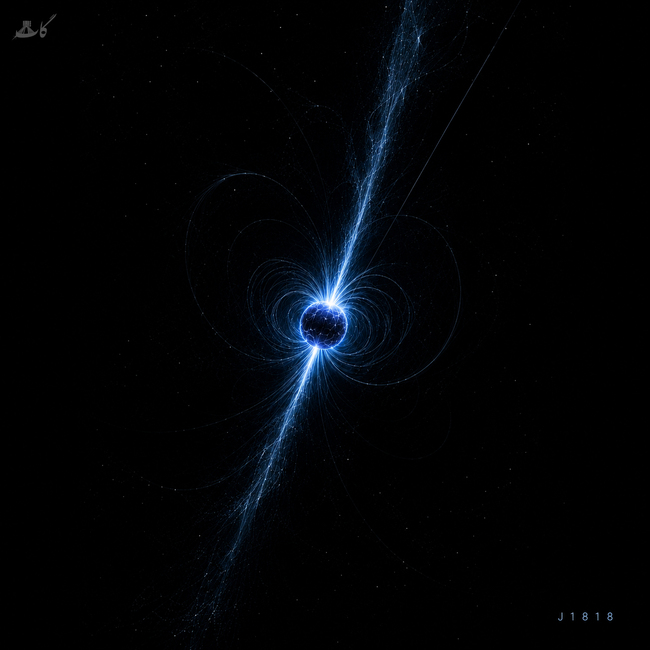
The Silent Magnetar
Release Date: 2026
Genre: Post-Rock / Post-Metal / Alternative Rock
The Silent Magnetar was born from a question that refused to become an answer.
The first spark behind this work was PSR J1818−1607, one of the youngest known magnetars. What drew me toward it was neither the strength of its magnetic field nor its astrophysical measurements, but the paradox hidden within its existence: a star that has already collapsed, yet continues to transform the space around it.
Perhaps the universe never taught us that every collapse is necessarily an ending.
That thought gradually became the emotional center of this work.
Rather than telling a story, The Silent Magnetar inhabits the fragile territory between collapse and endurance, silence and force, emptiness and presence. Its structure deliberately moves beyond conventional musical storytelling, allowing atmosphere, repetition, and silence to express what words alone cannot.
In my darkest moments, I often return to classical Persian poetry—not because poetry offers certainty, but because it can remain truthful where explanations fail. The presence of Jalal al-Din Rumi within this composition is neither a quotation nor an ornament. It is another voice arriving from another century, contemplating the same silence through another language. Science and poetry do not answer one another; they simply stand together before the same unknown.
Across civilizations, the sky has always been more than astronomy.
These passages are not presented here as scientific predictions, nor as interpretations of scripture. They simply remind us that long before modern astronomy, humanity had already turned toward the heavens in search of a language vast enough to speak of collapse, transformation, and mystery.
The Silent Magnetar does not attempt to reconcile science, philosophy, and faith.
It simply remains where they meet—without asking them to become the same.
Perhaps meaning is not something to be found there.
Perhaps silence is not the absence of meaning.
Perhaps silence is where meaning begins.
مگنتار خاموش
«مگنتار خاموش» از پاسخی قطعی متولد نشد؛ از پرسشی آغاز شد که حاضر نبود به پاسخ تبدیل شود.
جرقه نخست این اثر، PSR J1818−1607 بود؛ یکی از جوانترین مگنتارهای شناختهشده. آنچه مرا به سوی آن کشاند، نه قدرت میدان مغناطیسیاش بود و نه دادههای اخترفیزیکی آن؛ بلکه تناقضی بود که در وجودش نهفته است: ستارهای که فروپاشیده است، اما هنوز میتواند جهان پیرامون خود را دگرگون کند.
شاید جهان هرگز به ما نیاموخت که هر فروپاشی، لزوماً پایان نیست.
همین اندیشه، آرامآرام به هسته احساسی این اثر تبدیل شد.
«مگنتار خاموش» روایت یک داستان نیست؛ بلکه در فاصلهای میان فروپاشی و پایداری، سکوت و نیرو، خلأ و حضور سکونت میکند. ساختار قطعه نیز آگاهانه از الگوهای متعارف روایت موسیقایی فاصله میگیرد و اجازه میدهد اتمسفر، تکرار و سکوت، آنچه را واژهها از بیانش ناتواناند، روایت کنند.
در تاریکترین لحظههای زندگی، بارها به شعر کلاسیک پارسی بازگشتهام؛ نه از آن رو که شعر پاسخی قطعی در اختیار میگذارد، بلکه چون میتواند در جایی که توضیحها ناتوان میشوند، همچنان صادق بماند. حضور شعر مولانا در این اثر نیز از همین جنس است؛ نه نقلقولی ادبی و نه آرایهای تاریخی، بلکه صدایی دیگر که از قرنی دیگر، همان سکوت را به زبانی دیگر تماشا میکند. علم و شعر قرار نیست یکدیگر را اثبات کنند؛ تنها در برابر یک ناشناخته مشترک کنار هم میایستند.
انسان، بسیار پیش از آنکه به تلسکوپ دست یابد، چشم به آسمان دوخته بود.
این اشارهها در این اثر نه تفسیر علمی متون مقدساند و نه تفسیر دینی کیهان؛ بلکه تنها یادآور این حقیقتاند که انسان، در هر عصر، برای سخن گفتن از فروپاشی، دگرگونی و راز، به آسمان نگریسته است.
«مگنتار خاموش» تلاشی برای آشتی دادن علم، فلسفه و ایمان نیست.
این اثر، تنها در فاصله میان آنها سکونت میکند؛ بیآنکه بخواهد یکی را به دیگری فروبکاهد.
شاید معنا، چیزی نباشد که بتوان آن را یافت.
شاید سکوت، فقدان معنا نباشد.
شاید سکوت، همان جایی باشد که معنا آغاز میشود.