
Pir Kadeh
Release Date: 2026
Genre: Dark Hip-Hop
“Pirkadeh” unfolds on the fragile boundary between imagination and reality, where the world of the mind gradually merges with the world outside. Its atmosphere is dark, deep, and immersive—a place that feels neither entirely real nor entirely imagined, but rather like the reflection of an unknown inner world.
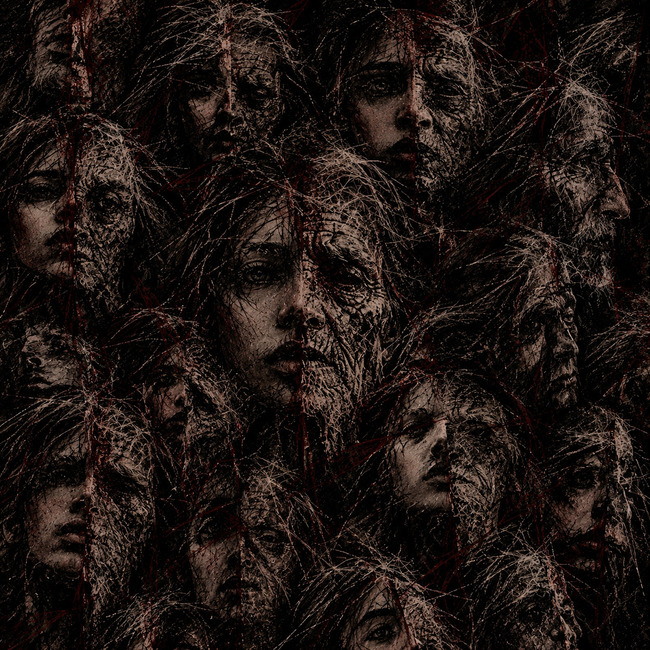
In “Pirkadeh,” aging is not simply a symbol of passing years or physical deterioration. It can happen within the mind long before time reaches the body. Suffering, solitude, memory, and accumulated experiences can create a face older than its actual age. The work emerges from this image: a young person confronting something within himself that feels far older than he is.
The music expands this world through dark and atmospheric layers. Rather than following a direct narrative, the soundscape creates a psychological environment where memory, the present moment, and imagination begin to overlap. The boundaries between them become increasingly uncertain, allowing each to take the shape of the others.
As in some of the artist’s previous works, “Pirkadeh” also incorporates elements of classical Persian poetry. A poem by Rumi becomes part of the work, connecting the contemporary musical atmosphere with a voice carried from centuries of Persian literary tradition. The poem is not merely a literary reference; it becomes another layer of the song’s inner world, deepening its dialogue between personal experience, imagination, and meaning.
Ultimately, “Pirkadeh” is not about a specific physical place. It may instead be understood as a place created within the self—a space between memory and dream, youth and age, and between what has truly been lived and what exists only within the mind.
In this dark world, time does not always move forward. Sometimes the past returns into the present, while the future appears on the face of a person long before it has actually arrived.
پیرکده
«پیرکده» در مرزی میان خیال و واقعیت شکل میگیرد؛ جایی که آنچه در ذهن میگذرد، کمکم با جهان بیرون درهم میآمیزد و تشخیص میان رؤیا و واقعیت دشوار میشود. فضای اثر تاریک، عمیق و اتمسفریک است؛ گویی شنونده وارد مکانی میشود که نه کاملاً واقعی است و نه صرفاً ساخته خیال، بلکه انعکاسی از جهانی درونی و ناشناخته است.
در «پیرکده»، پیری تنها نشانهای از گذر سالها یا فرسودگی جسم نیست. پیری میتواند پیش از رسیدن زمان، در ذهن انسان اتفاق بیفتد؛ جایی که رنج، تنهایی، خاطرات و تجربههای انباشته، چهرهای فرسودهتر از سن واقعی انسان میسازند. اثر از همین تصویر عبور میکند: جوانی که در درون خود، با چیزی بسیار قدیمیتر از خویش روبهرو میشود.
موسیقی، این جهان را با لایههایی تاریک و اتمسفریک گسترش میدهد. صداها بیشتر از آنکه روایتی مستقیم را دنبال کنند، فضایی ذهنی میسازند؛ فضایی مبهم و سنگین که در آن گذشته، اکنون و خیال در هم فرو میروند و هر لحظه ممکن است یکی جای دیگری را بگیرد.
در این اثر نیز، مانند برخی از آثار پیشین، از شعر کلاسیک پارسی استفاده شده است. شعری از مولانا در ساختار اثر حضور پیدا میکند و همچون صدایی از دل گذشته، با جهان موسیقی امروز پیوند میخورد. حضور شعر در اینجا تنها یک ارجاع ادبی نیست؛ بخشی از فضای اثر است و لایهای دیگر به گفتوگوی میان تجربه شخصی، خیال و معنای درونی اضافه میکند.
«پیرکده» در نهایت درباره یک مکان مشخص نیست؛ شاید نامی برای جایی باشد که انسان در درون خود میسازد، جایی میان خاطره و رؤیا، میان جوانی و پیری، و میان آنچه واقعاً زیسته شده و آنچه تنها در ذهن اتفاق افتاده است.
در این جهان تاریک، زمان همیشه رو به جلو حرکت نمیکند؛ گاهی گذشته در اکنون بازمیگردد و گاهی آینده، پیش از آنکه برسد، در چهره انسان ظاهر میشود.